At the table with Brady.
A real on-camera performance brings the product to life. Work with talent, product demonstration and editing informs the decisions I now write into a prompt.
See the Billiard Factory workCreative practice / Image making with AI
I’m Joshua Semolik. This is my process for creating AI images and video: start with the idea and real product references, write precise prompts, review the images, develop motion, then edit and adapt the finished work. My experience in photography, film and creative direction shapes the lighting, framing, materials, performance and pacing.
From a premise to a campaign world
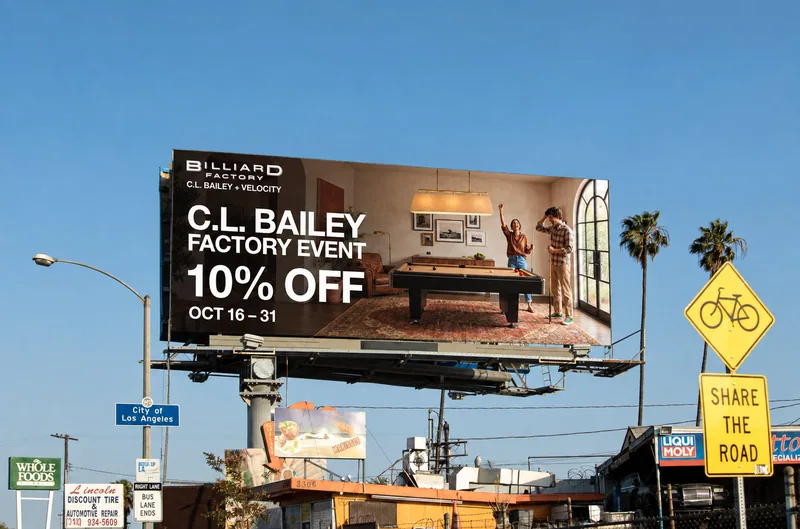
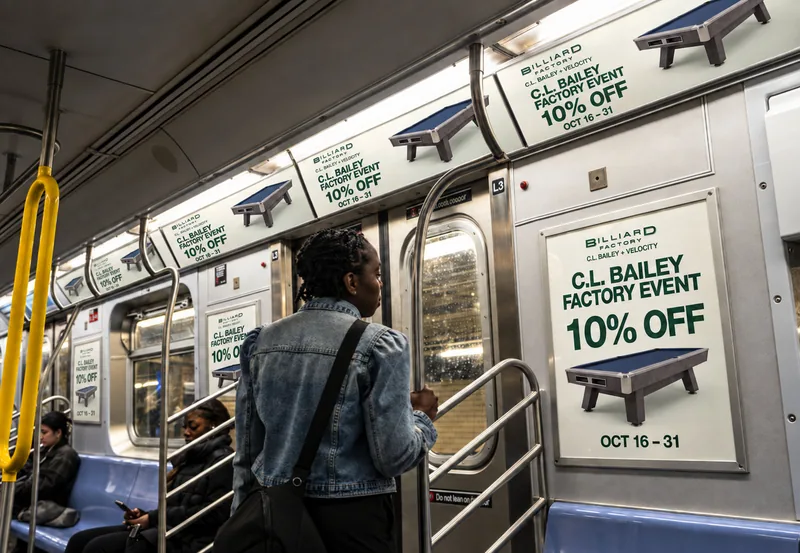
“You keep putting it off. So it starts showing up everywhere.” I carried that idea through city streets, a newspaper, a train journey and the game room in a film created entirely with AI.
The film is prepared for the October 16–31, 2026 Factory Event. The outdoor and transit advertising scenes are creative visualizations.
Explore the campaign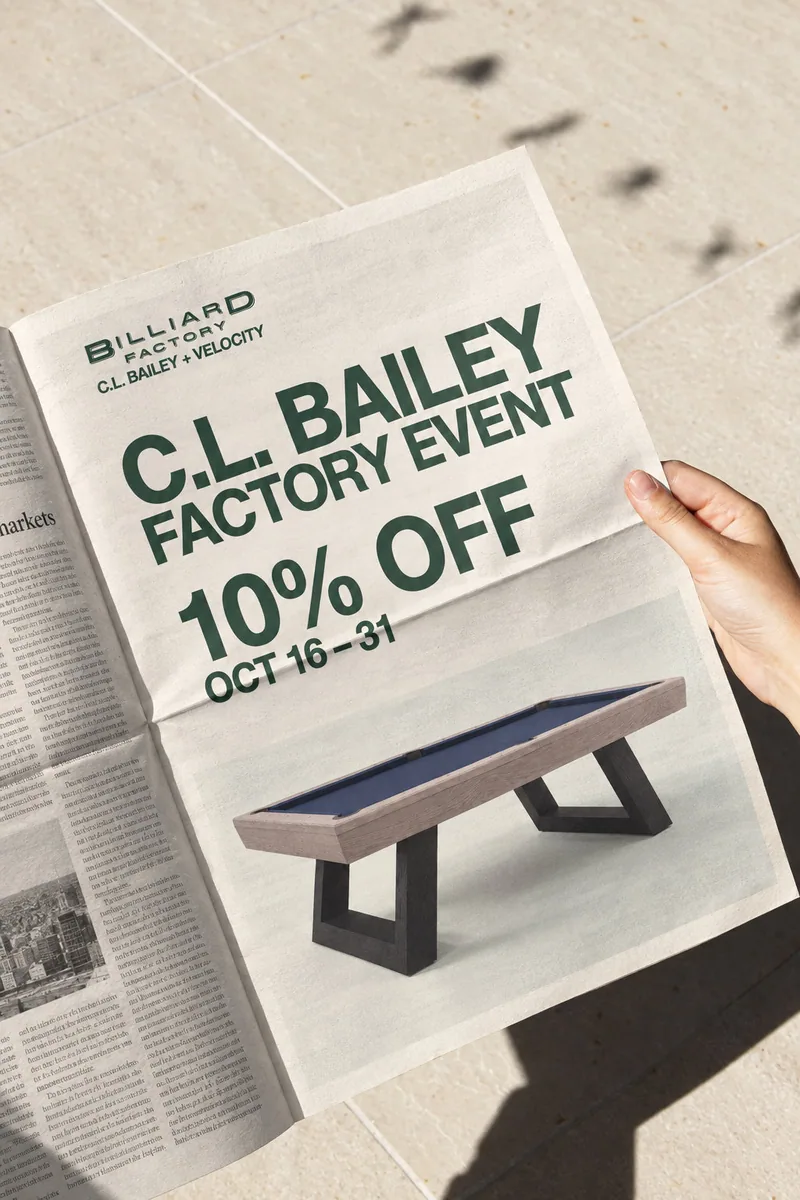
A product image can become a lifestyle scene. That scene can become a moving sequence, then a finished film and a set of campaign assets. This is a growing record of that practice and what I’m learning along the way.
The prompt changes as I review the work. Each pass makes the product, the scene and the story more specific.
Written scene direction
“Pale grey veined marble panels on one wall, smooth grey plaster elsewhere, a herringbone oak floor, tall steel-framed windows.”
The room brief places the cart at the end of a black leather sofa, where it can be used. Materials, light and placement give the product a setting.
Excerpt from the furniture study’s room brief.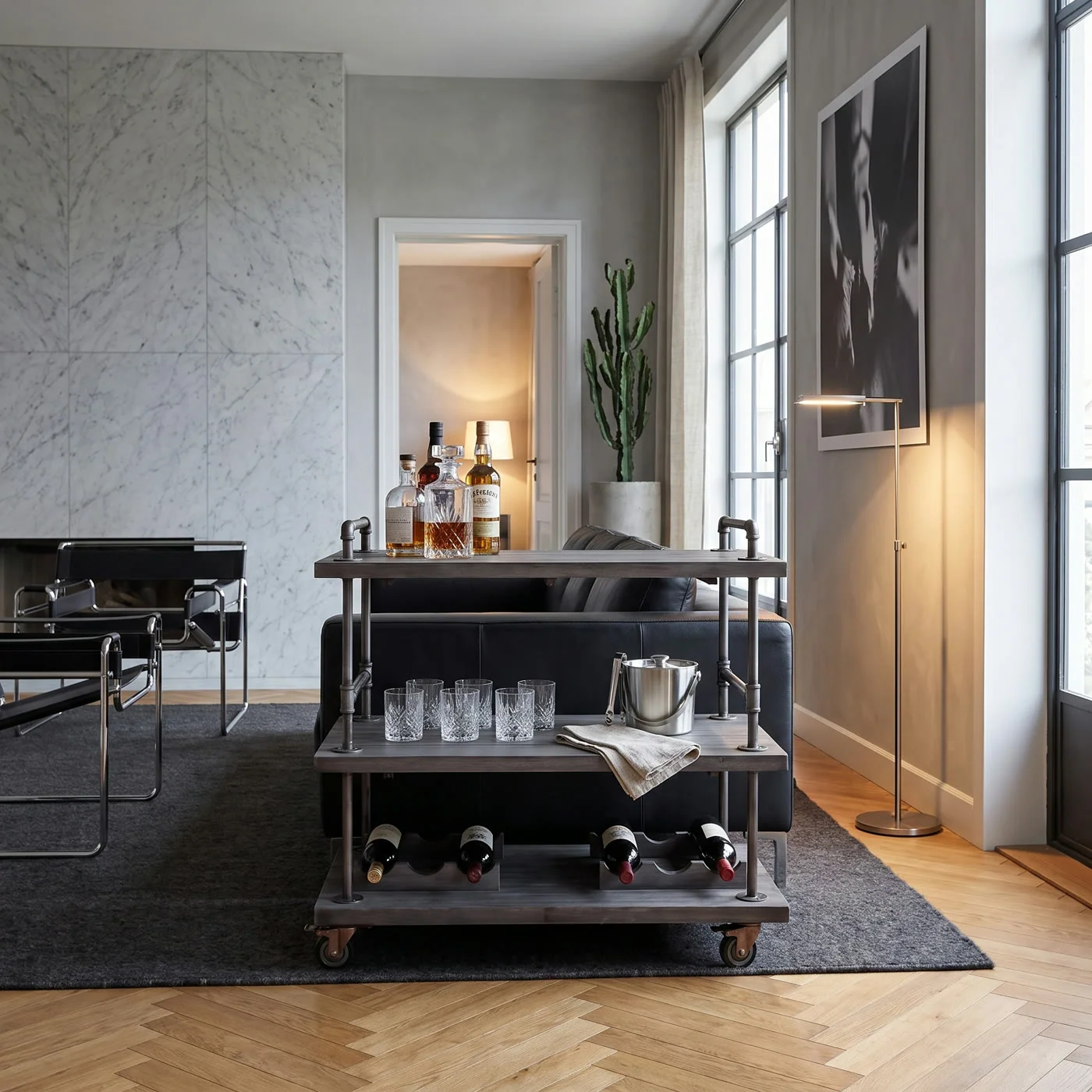
I begin with the audience, the product and the story. What should someone notice, feel or understand, and where will the finished asset live?
Audience · Product · StoryProduct photographs, details, materials and proportions give the work its foundation. I collect the references that the finished image needs to respect.
References · Details · ProportionsI describe the framing, camera position, light, surfaces and atmosphere. Specific choices in the prompt give an image a direction I can review.
Prompt · Product imageI inspect the result, adjust the prompt and make another pass. A product image becomes a reference for the room, setting or lifestyle moment around it.
Product image · Lifestyle imageI develop the copy, storyboard, action and camera movement. A still image becomes a starting frame for a sequence, with pacing and continuity to work through.
Copy · Storyboard · MotionI choose the takes, shape the sequence and work with sound. Then I adapt the finished piece into shorter cuts, crops and assets for a page, a campaign or social media.
Edit · Sound · Channel versionsInside the direction
The eye for an image becomes a set of choices I can put into words, test and improve.
A prompt is a sequence of creative decisions. Build this example one layer at a time to see how a product reference becomes a scene, then a moving image.
Illustrative prompt / Product scene
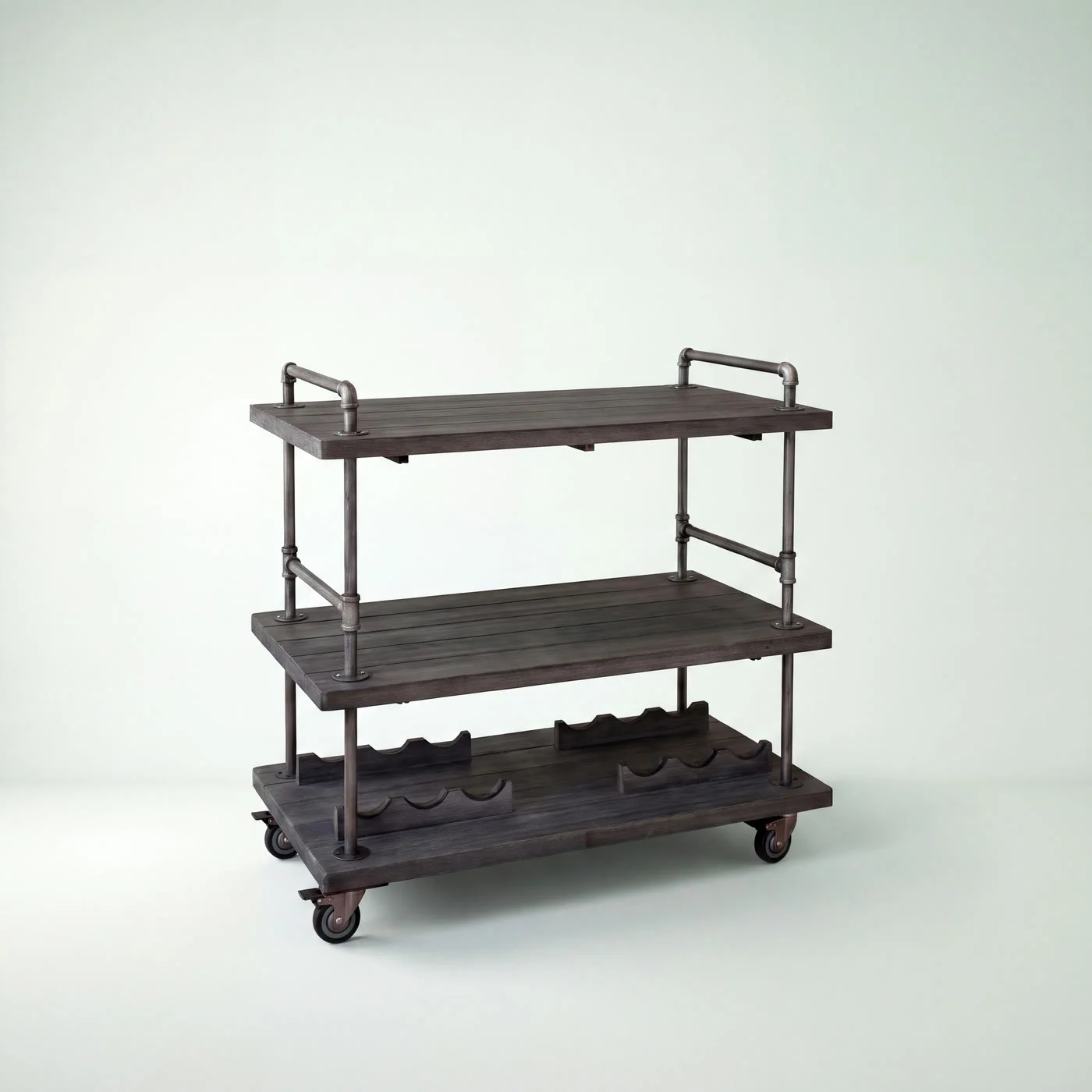
Use the supplied bar-cart image as the product reference. Preserve its proportions, three wood shelves, metal pipe uprights, bottle cradles and casters.
Start with the product, before inventing its surroundings.
A reference gives the image something specific to stay faithful to. Review the result against it; a convincing room can still contain the wrong product.
The highlighted instruction adds the next layer of direction. Each result needs review, revision and an edit.
Image studies / Product and atmosphere
Selected AI-made and AI-assisted room studies and campaign scenes explore light, materials, composition and the life around a product.
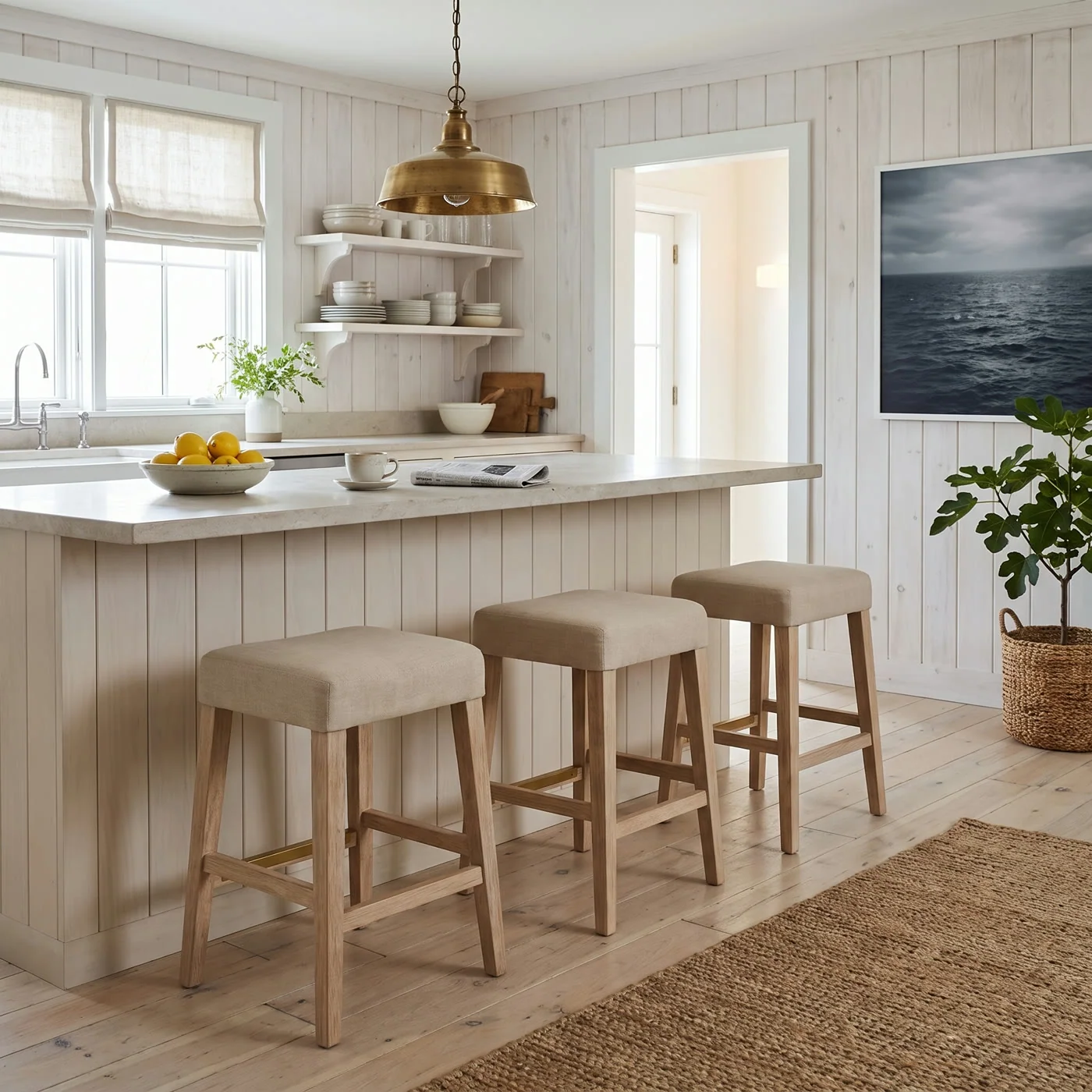
Upholstery, pale oak and daylight give a stool a setting around everyday use.
Explore the furniture work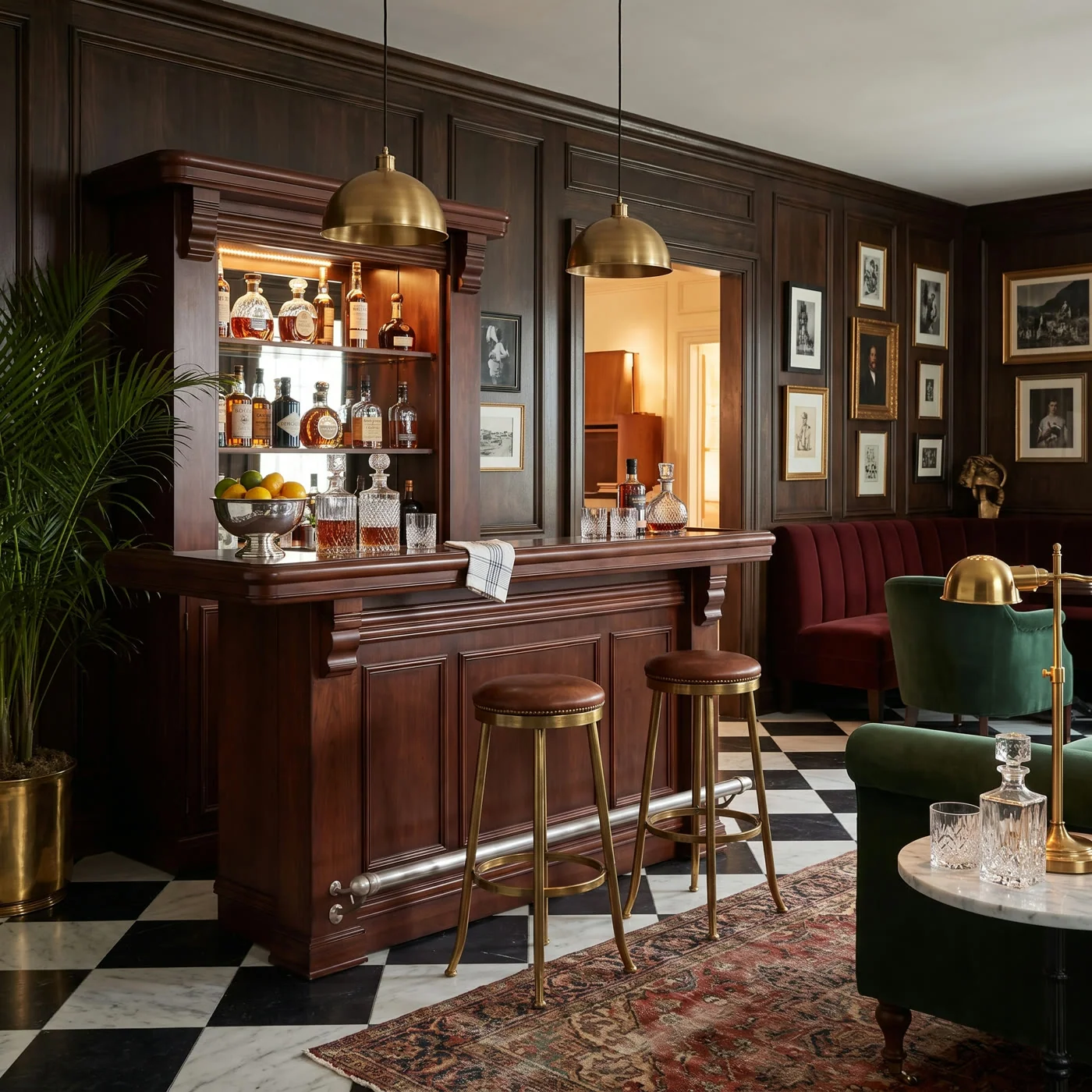
Wood, brass, velvet and warm light build the atmosphere around a home bar.
Explore the furniture work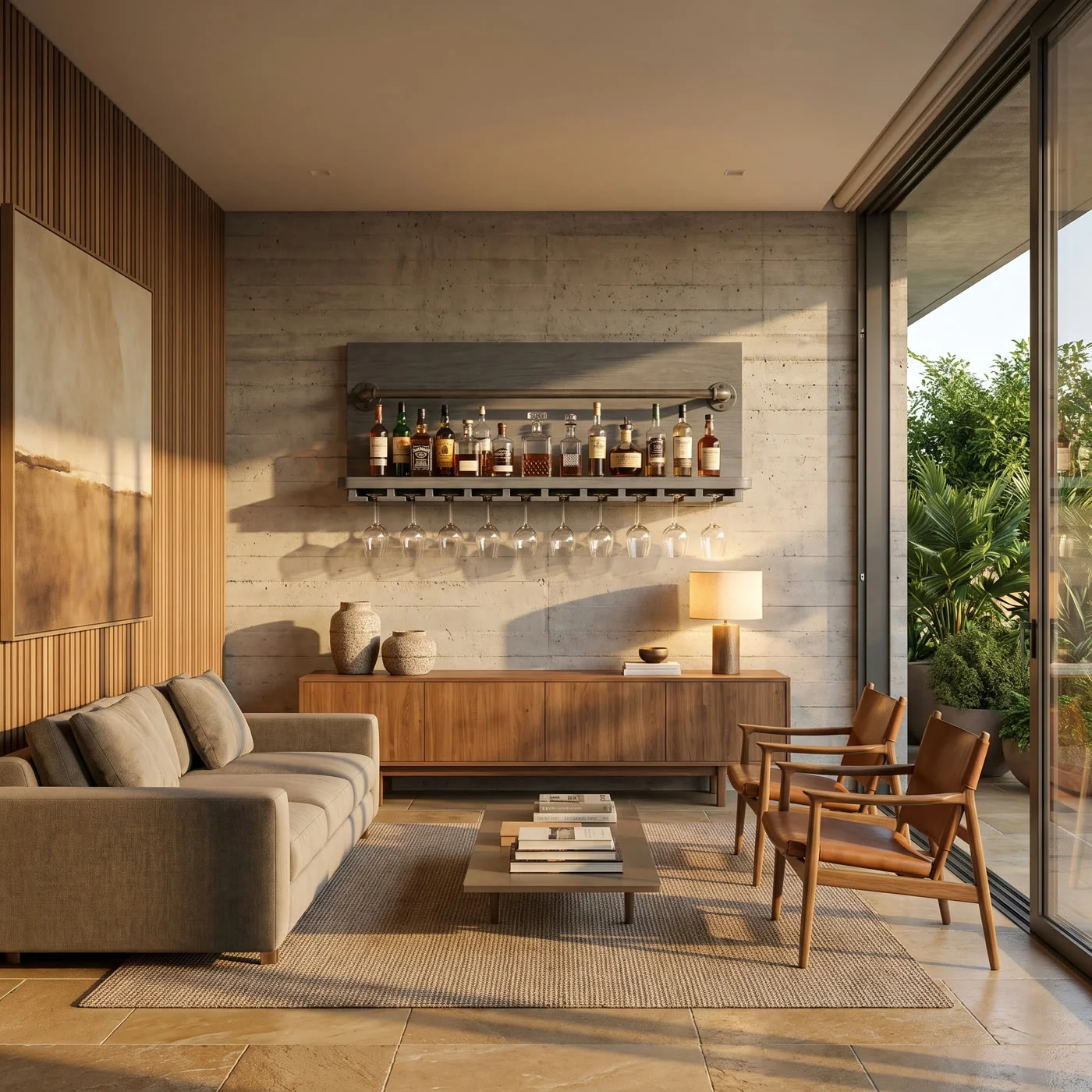
Placement, materials and the surrounding furniture make a product feel at home.
Explore the furniture work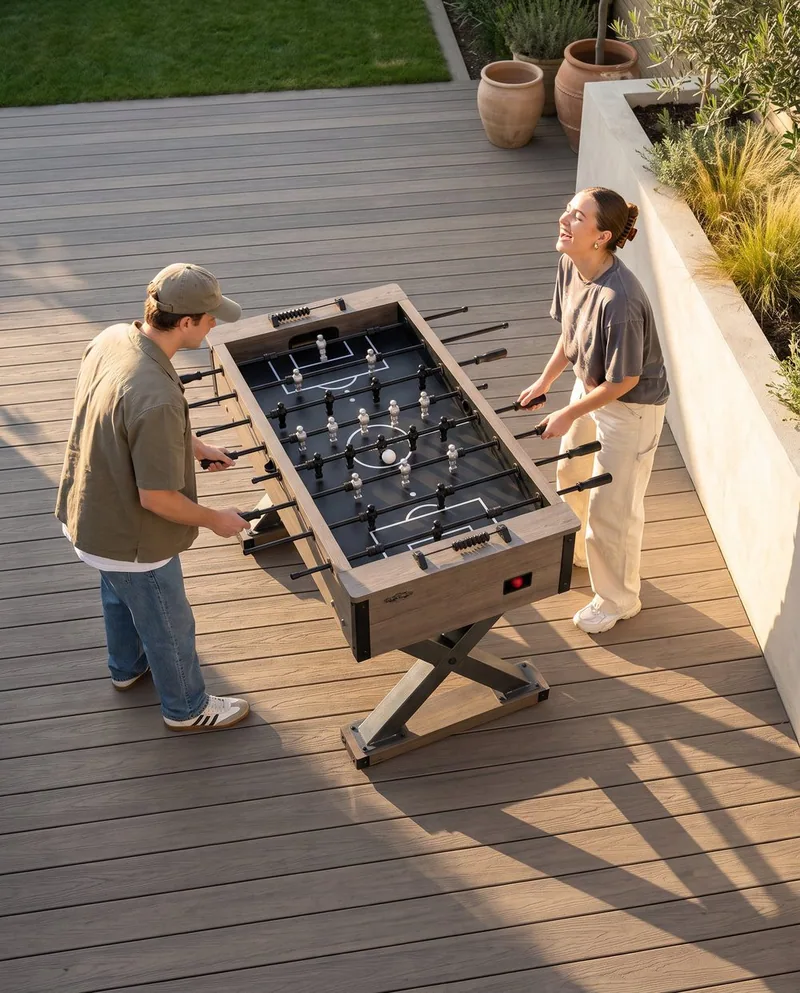
A Home Field lifestyle scene brings people, a product and an everyday moment together.
Explore Home FieldMore ways to tell the story
On-camera product storytelling and an imagined launch bring different kinds of creative judgment to the work.
A real on-camera performance brings the product to life. Work with talent, product demonstration and editing informs the decisions I now write into a prompt.
See the Billiard Factory workAn imagined launch explores scale, anticipation and movement. Oversized billiard balls turn an everyday product into the center of a much larger scene.
See the Billiard Factory workInside the process
A useful prompt starts with the actual product and the intended use. I specify the proportions, materials, setting, camera position and light, then compare the result with the reference. The bar-cart study shows that progression from product reference to lifestyle scene.
I use selected images to develop the sequence, camera movement and action. Generated takes are reviewed for product accuracy and continuity, then edited with sound and pacing. The C.L. Bailey film above shows how one premise carries through several settings.
In the brief, the reference selection, the product checks and the edit. AI gives me material to assess and refine. I decide which takes serve the story and whether an image represents the product well enough to use.
An approved image or film can become a page feature, a shorter social cut or a different crop. Each version needs a destination and a review step. The Marketing Engine connects those assets with the brief, owners and publishing schedule.
Put the work to use
The finished work appears on a page, in shorter social cuts and in other campaign assets. The brief and the destination stay connected through the tools and workflow around the creative.